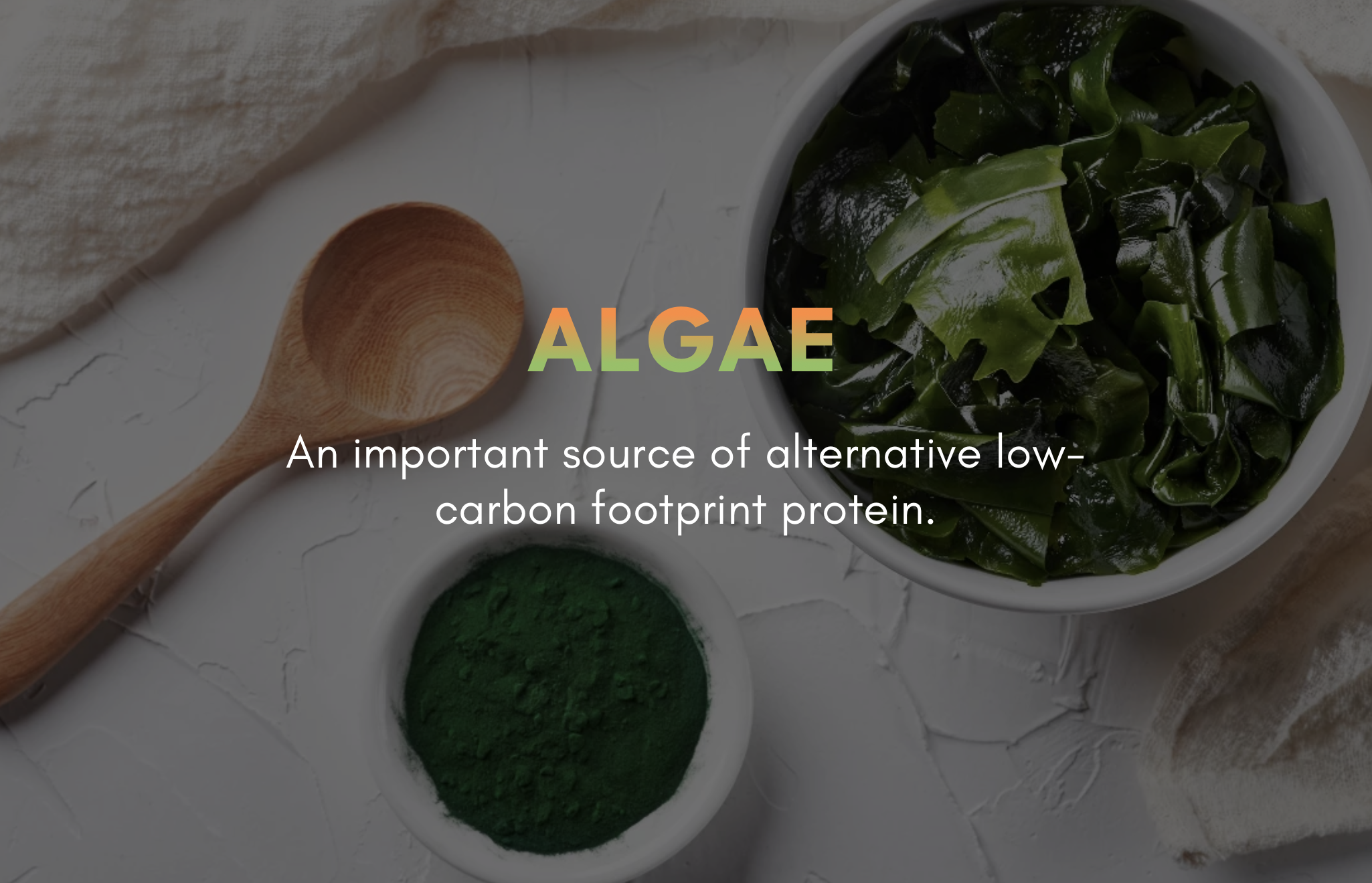
In a world where sustainable solutions are paramount, the INNOAQUA project stands at the forefront of innovation, focusing on algae as a crucial source of alternative, low-carbon footprint protein. Algae, often overlooked, possess incredible potential to revolutionize the way we produce protein, offering a sustainable and environmentally friendly alternative to traditional livestock farming.
Here’s why algae are emerging as a vital player in the quest for sustainable protein sources:
- Minimal Environmental Impact: Algae cultivation requires significantly fewer resources compared to conventional livestock farming. They can thrive in various environments, including freshwater, saltwater, and even wastewater, minimizing land and water usage. Algae cultivation also produces minimal greenhouse gas emissions, making it a more environmentally friendly option.
- Rapid Growth and High Yield: Algae are among the fastest-growing organisms on the planet, capable of doubling their biomass in a matter of hours. This rapid growth rate translates into high yields, allowing for efficient and scalable production of protein-rich biomass. With proper cultivation techniques, algae can yield several times more protein per acre compared to traditional crops like soybeans or corn.
- Nutritional Value: Algae are nutritional powerhouses, packed with essential nutrients such as proteins, vitamins, minerals, and omega-3 fatty acids. They offer a complete protein source, containing all nine essential amino acids required by the human body. Additionally, algae cultivation can be tailored to produce specific strains rich in proteins, catering to diverse dietary needs.
- Versatility: Algae are incredibly versatile and can be cultivated for various purposes beyond protein production. They can be used in biofuel production, wastewater treatment, pharmaceuticals, cosmetics, and even as a sustainable alternative to plastic. This versatility makes algae an attractive option for integrated, multi-sectoral approaches to sustainability.
- Climate Resilience: Algae cultivation is inherently resilient to climate change. Unlike traditional crops, which are susceptible to extreme weather events and changing climatic conditions, algae can adapt to a wide range of environmental conditions. Their ability to grow in saline or brackish water makes them particularly suitable for regions facing water scarcity or salinity challenges.
By harnessing the potential of algae, the INNOAQUA project aims to revolutionize the way we produce protein, offering a sustainable and environmentally friendly alternative to traditional livestock farming. Through research, innovation, and collaboration, we can pave the way towards a more resilient and sustainable future, where algae play a central role in meeting the growing demand for protein while reducing our carbon footprint. Join us in embracing the green solution to sustainable protein production.