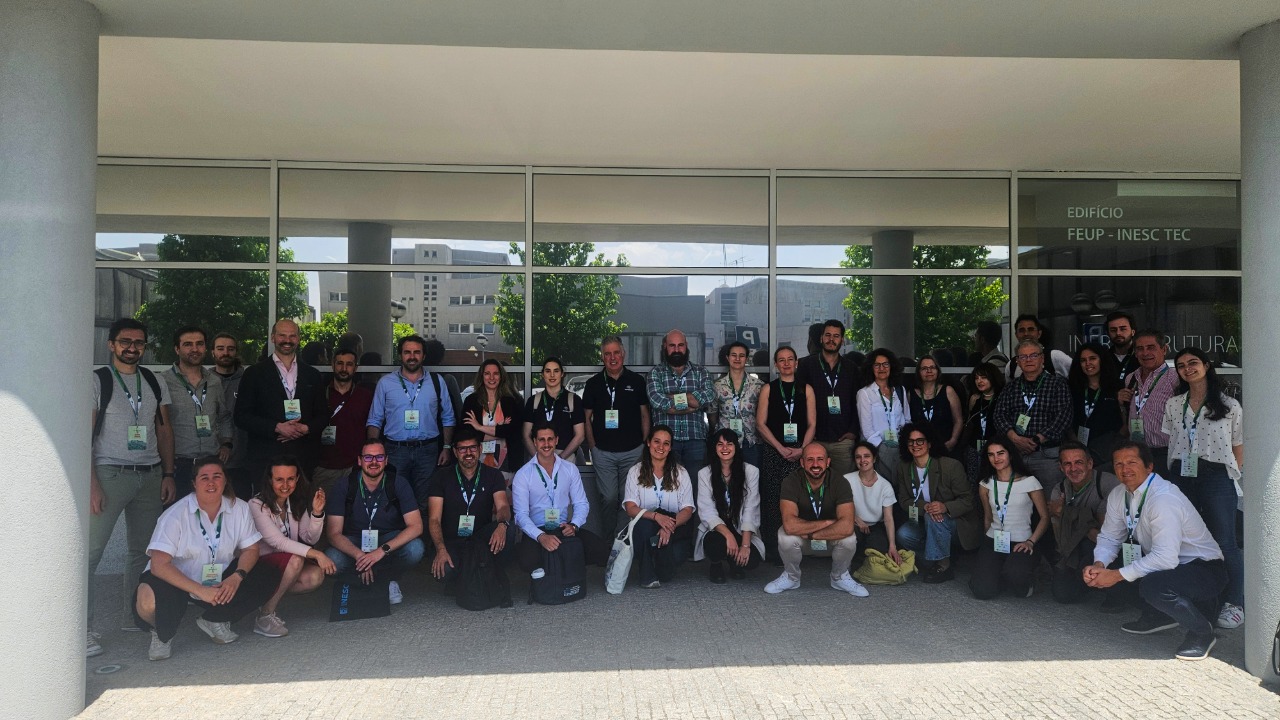
On 26 May 2026, the INNOAQUA project successfully hosted its Workshop on Seaweed and Fish Integrated Multi-Trophic Aquaculture (IMTA), bringing together a diverse group of stakeholders from across the aquaculture and blue biotechnology sectors. The online event was co-organised by project partners A4F – Algae for Future, SEA EIGHT, and INESC TEC, and aimed to foster discussion on innovative pathways towards more sustainable aquaculture systems in Europe.
A platform for knowledge exchange and collaboration
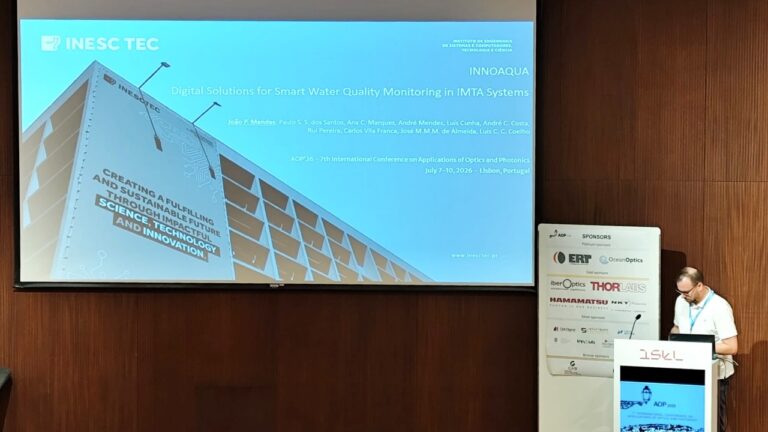
The morning session featured a series of technical presentations addressing the potential of IMTA systems to enhance resource efficiency, circularity, and environmental sustainability. Participants were introduced to the latest developments within the INNOAQUA project, including advances in system design, digital monitoring tools, and ongoing demonstrator activities.
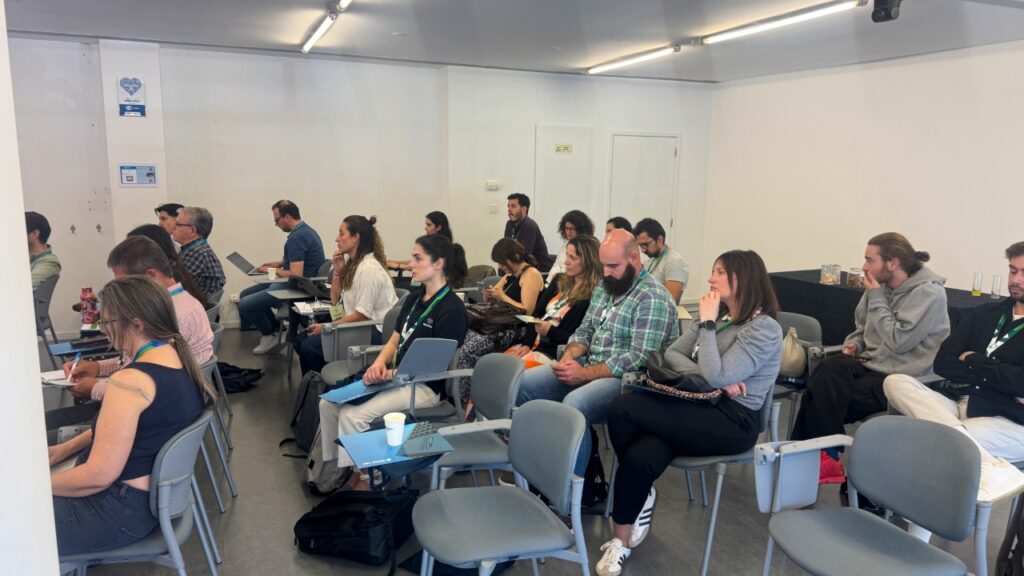
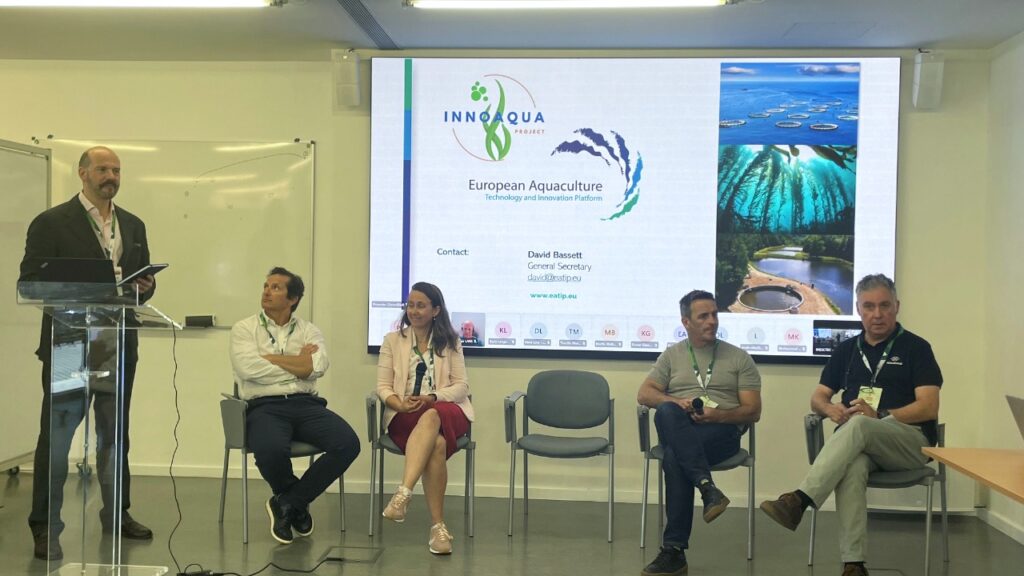
The workshop also provided valuable industry and policy perspectives, with contributions from leading organisations such as the Aquaculture Stewardship Council (ASC), the European Aquaculture Technology and Innovation Platform (EATIP), and the Associação Portuguesa de Aquacultores (APA). These insights highlighted both the opportunities and the challenges associated with implementing IMTA systems within the European regulatory and market context.
A key moment of the session was the interactive panel discussion moderated by David Basset, which enabled an open exchange between speakers and participants. The discussion addressed regulatory frameworks, technological barriers, and future directions for IMTA, reinforcing the importance of collaboration between research, industry, and policymakers to support the uptake of sustainable aquaculture solutions.
From concept to real-world application
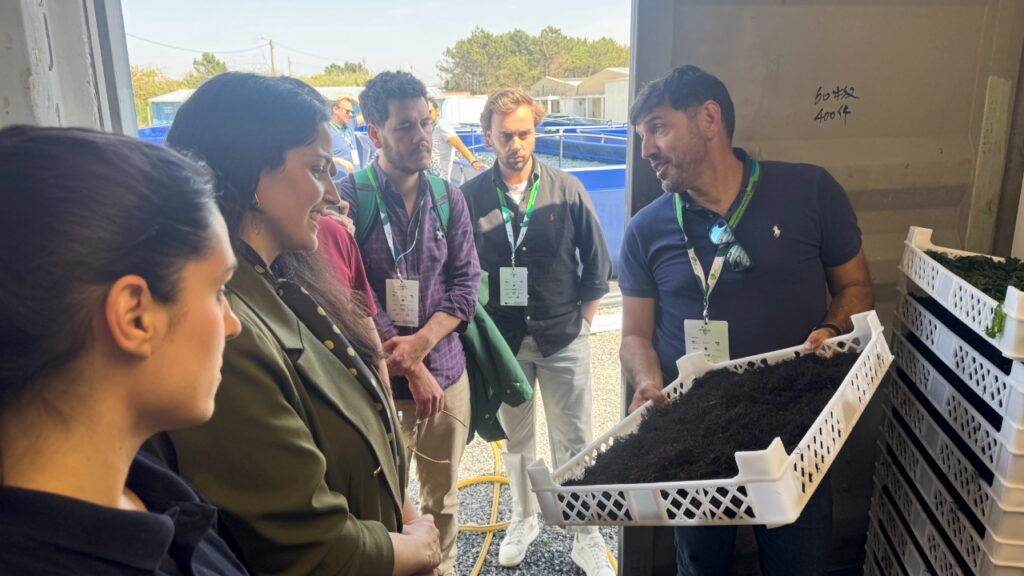
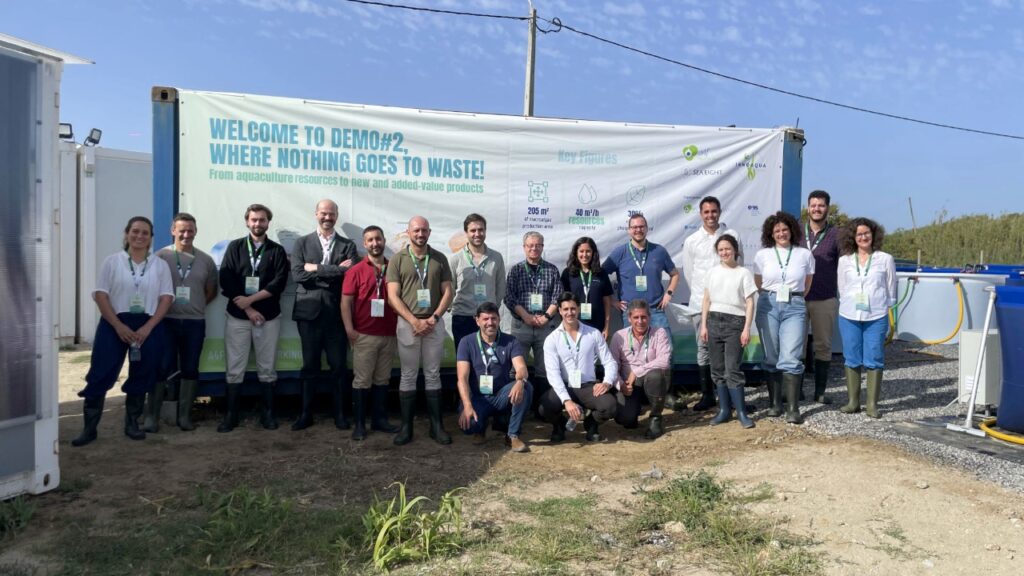
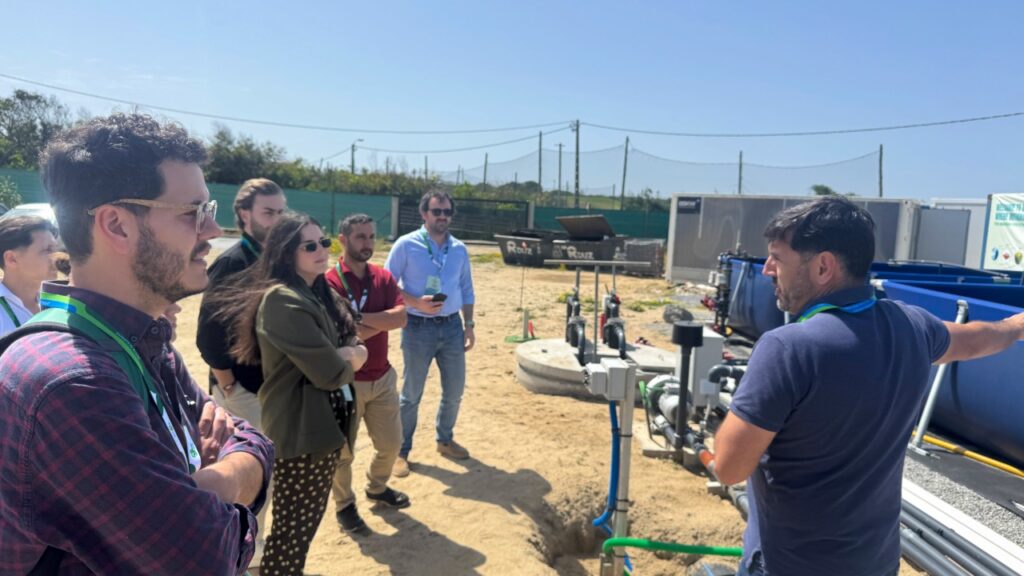
In the afternoon, participants had the opportunity to complement the theoretical discussions with practical insights through a visit to SEA EIGHT’s facilities. This visit provided a first-hand overview of sole production processes, showcasing current practices in land-based aquaculture and their role in advancing sustainable production systems.
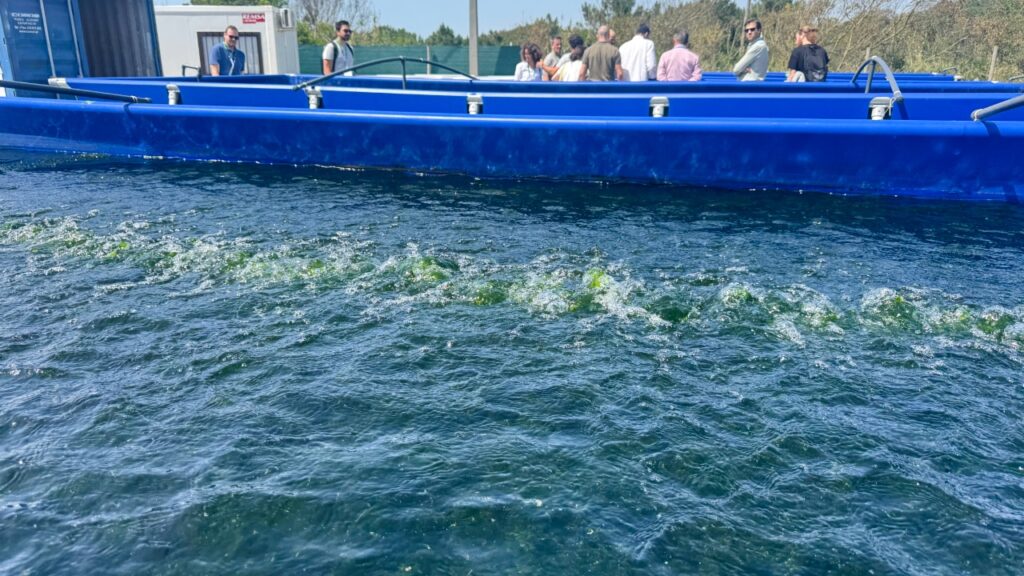
The visit also included a presentation of INNOAQUA DEMO Site #2, located at the same facilities. At this stage, the demonstrator focuses on the cultivation of macroalgae and the deployment of advanced sensor-based monitoring systems within a recirculating aquaculture environment. These elements represent a key step in the progressive integration of IMTA systems, supporting the development of more efficient and circular production models. Additional system components are expected to be incorporated in future phases, further strengthening the integration approach.
Moving forward
The workshop confirmed the strong interest and engagement of the aquaculture community in IMTA as a promising pathway for the sector’s transition towards sustainability. By facilitating dialogue across disciplines and sectors, INNOAQUA continues to contribute to shaping innovative solutions aligned with European environmental and economic objectives.
The project will continue to build on these exchanges, advancing research, demonstration activities, and stakeholder engagement to support the wider adoption of integrated and sustainable aquaculture systems.